The Untold Story Behind Bing Beverage Company's Rise to Prominence
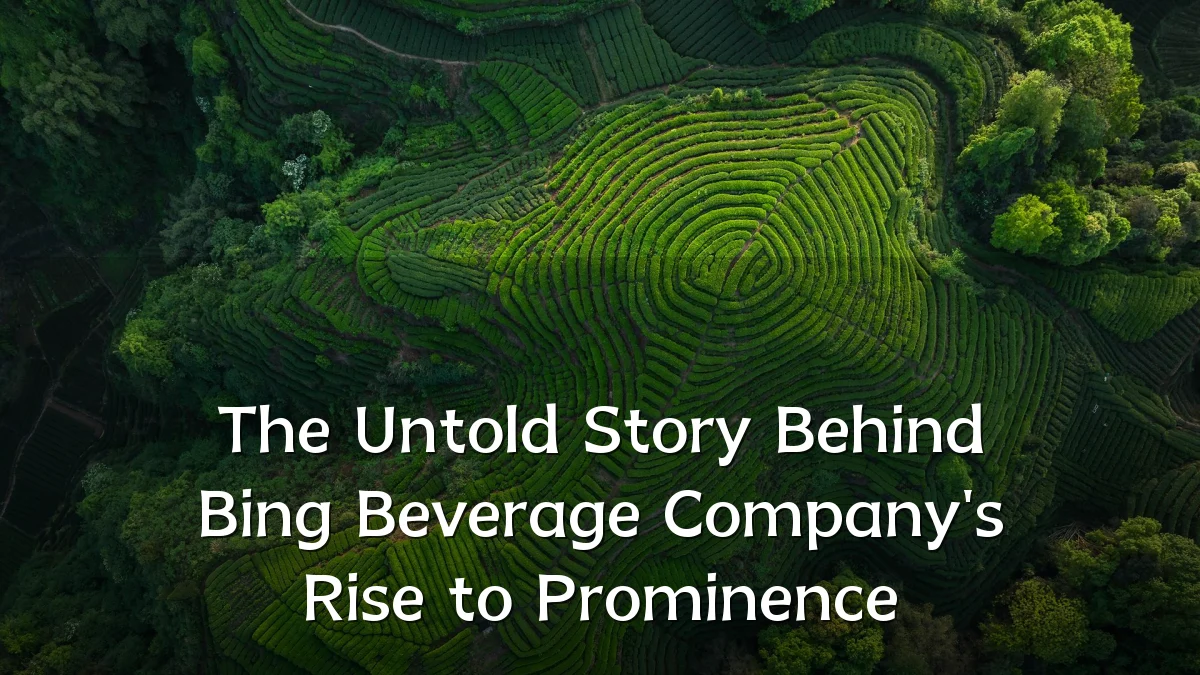
Bing Beverage Company has quietly climbed from a niche regional player to a name recognized across distribution channels in recent years. While the company itself releases limited data, industry observers point to shifting consumer preferences and strategic supply-chain moves as key drivers. This analysis examines the known factors behind the ascent, current user sentiment, and what may lie ahead.
Recent Trends
Over the past several quarters, Bing Beverage has expanded its product lineup into categories that align with growing demand for functional and lower-sugar drinks. Notable near-term shifts include:

- A broader rollout of flavored sparkling waters and electrolyte-infused options.
- Increased shelf space in convenience chains and grocery retailers, particularly in the Midwest and Southeast.
- Partnerships with third-party distributors to reach smaller independent stores and online marketplaces.
- Quiet refinements to packaging—switching to recyclable materials and simpler branding.
These moves come as the overall beverage market sees a gradual pivot away from traditional sodas and toward “better-for-you” alternatives.
Background
Bing Beverage began operations roughly a decade ago as a modest regional producer of carbonated soft drinks. Its early years were marked by limited distribution and strong competition from established national brands. The company’s turning point appears to have been a decision to focus on regional retail partnerships and direct-to-consumer trial programs, rather than attempting a costly nationwide launch immediately. Reports suggest the founding team brought experience from larger CPG firms, applying efficient production methods that kept retail prices competitive without sacrificing margins. By steadily reinvesting profits into product R&D and small-scale marketing, the company gradually built a loyal customer base in its home markets.

User Concerns
As visibility has grown, so have questions from consumers and industry watchers. The most common concerns include:
- Ingredient transparency – Some online forums note that full nutritional breakdowns and sourcing details are not always prominently displayed on packaging or the company website.
- Consistency across batches – A minority of reviews mention occasional variation in taste or carbonation levels between production runs.
- Pricing changes – Longtime buyers have observed that unit prices have crept upward over the past year, though not yet reaching premium-brand levels.
- Limited flavor availability – Certain seasonal or regional varieties can be difficult to find outside launch areas, frustrating loyal customers.
Bing Beverage has not issued formal responses to these points, but its customer service team has acknowledged inquiries and directed users to their FAQ page.
Likely Impact
If current trends persist, the company’s trajectory could influence several aspects of the broader beverage landscape:
- Competitive pressure on incumbents – Mid-tier beverage companies may feel compelled to accelerate their own product innovation and regional distribution efforts.
- Shift in retail buyer behavior – Store buyers might allocate more shelf room to emerging brands that demonstrate steady growth without demanding heavy promotional allowances.
- Potential for acquisition interest – Larger conglomerates often scout well-performing regional players; a private sale or strategic investment is plausible within the next few years.
- Regulatory attention – Rapid growth in a category with evolving labeling requirements (e.g., sugar content, caffeine levels) could invite closer oversight.
These impacts depend heavily on how the company manages its quality control and supply chain as volumes increase.
What to Watch Next
Industry analysts and consumer advocates are monitoring a few key areas that may shape Bing Beverage’s next chapter:
- Geographic expansion – Will the company enter the West Coast or Northeast markets, or stay focused on the central and southern United States?
- New product categories – Rumors of a non-carbonated line (e.g., functional water, tea) have circulated but remain unconfirmed.
- Public disclosure – Any release of detailed revenue figures or third-party audits would help validate the company's market share claims.
- Leadership changes – The founding team still holds operational control, but succession planning or outside hires could signal a strategic shift.
- Customer feedback integration – How the company addresses ingredient transparency and batch consistency will affect its reputation among discerning buyers.
The story of Bing Beverage Company remains incomplete, but the patterns so far suggest a methodical rise built on regional wins and adaptive product development. Continued observation will reveal whether this momentum can be sustained—or if new challenges will rewrite the narrative.