How a Premium Beverage Company Is Redefining Luxury Through Sustainable Sourcing
Recent Trends in Premium Beverage and Sustainability
The premium beverage segment has seen a notable shift in consumer expectations. Buyers who once equated luxury with rarity or exclusivity now increasingly demand transparency in how ingredients are grown, harvested, and transported. Sustainability certifications, carbon‑neutral shipping, and regenerative agriculture have moved from niche selling points into baseline expectations for high‑end offerings. A growing number of producers are linking provenance stories directly to environmental and social outcomes, rather than merely to terroir or tradition.

Background: How Sourcing Became a Differentiator
Historically, luxury beverages — from single‑origin spirits to limited‑release teas — relied on artisanal methods and scarce resources to command premium prices. However, as climate pressures and supply‑chain disruptions intensified, the same companies faced reputational and operational risks. A leading premium beverage company began re‑examining its raw material supply chains, moving from a model of “extract and market” to one of “invest and sustain.” This involved:

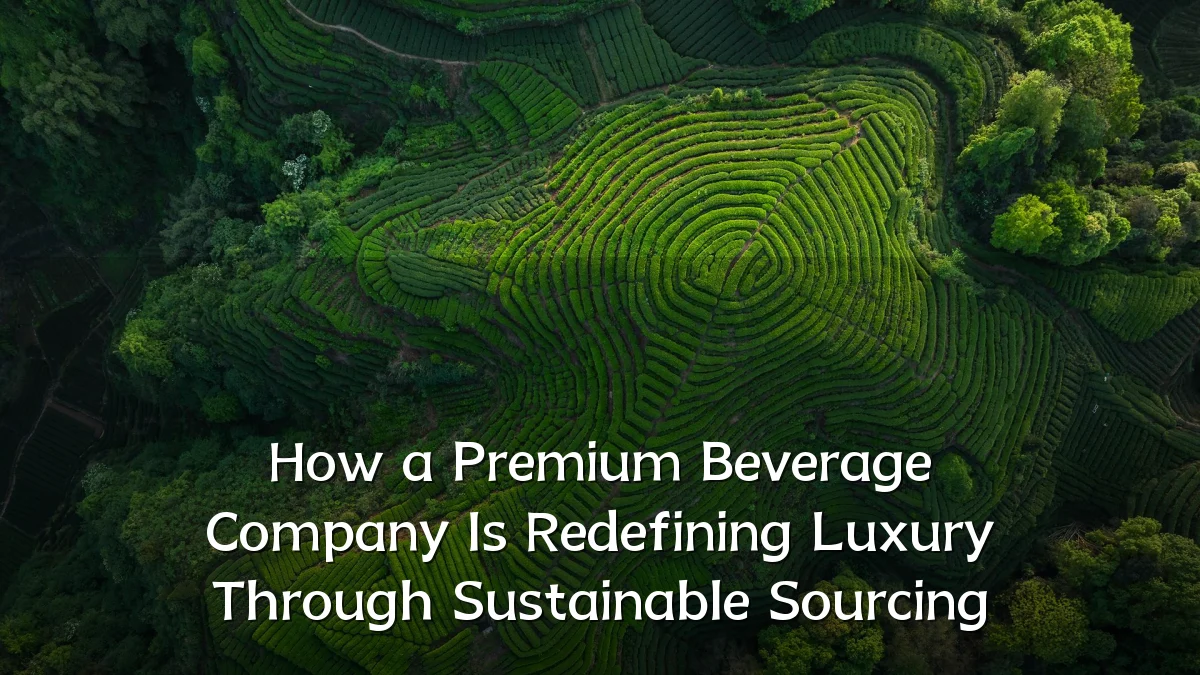
- Partnering directly with growers in regions such as high‑altitude coffee zones, tea‑growing valleys, and orchid‑rich habitats used for botanical infusions.
- Implementing long‑term contracts that guarantee above‑market prices in exchange for verifiable ecological practices, like soil‑carbon sequestration or water‑shed protection.
- Adopting third‑party audits that track each batch from seedling to shelf, ensuring that a consumer’s purchase directly funds conservation or community development.
The company positioned these changes not as cost‑cutting but as quality‑enhancing: healthier ecosystems, they argue, produce more complex flavor profiles and stronger emotional connections.
User Concerns: Authenticity, Price, and Accessibility
Consumers looking for sustainable luxury often face three core uncertainties:
- Greenwashing vs. genuine impact: Many buyers want to know whether a “sustainable” label reflects real change or just marketing. The company’s response has been to publish annual impact reports that include independent verification of key metrics, such as water usage reduction within a certain percentage range (e.g., 20–40% improvement over conventional methods) and the number of farming households that receive direct premiums.
- Price tolerance: A sustainably sourced luxury beverage can cost significantly more — sometimes 50–100% above equivalent non‑certified products. The company’s research indicates that while a core segment of several million high‑net‑worth individuals will pay that premium, others expect a clear value story (better taste, longer shelf life, or a unique rarity story) to justify the higher price.
- Convenience and availability: Limited distribution remains a hurdle. The company has focused on direct‑to‑consumer subscription models and upscale hospitality partnerships, but broad retail penetration is still in early stages, creating a tension between exclusivity and accessibility.
Likely Impact on the Industry
If this model proves viable, it could reset standards across the premium beverage category. Competitors may feel pressure to match transparency and sourcing commitments, particularly among younger demographics who prioritize ethical consumption. Potential consequences include:
- Increased consolidation around a few key sustainability frameworks (e.g., B Corp, Rainforest Alliance, or producer‑specific metrics) as brands seek credible third‑party endorsement.
- A shift in marketing language: luxury will be defined less by “limited edition” and more by “verified regenerative” or “climate‑positive” origin.
- Higher entry costs for new boutique brands, as building a fully audited sustainable supply chain requires capital and long‑term relationships that small players may lack.
At the same time, the approach could create new risks. If the company’s yields decline due to strict organic practices, or if a certification scandal emerges, the entire concept of “sourced‑sustainable luxury” could suffer consumer backlash.
What to Watch Next
Industry analysts and investors will be watching several indicators over the next few product cycles:
- Scalability of regenerative practices: Can the company maintain flavor consistency and volume as it expands sourcing to new regions? Watch for pilot programs in non‑traditional zones — for example, growing ingredients in controlled‑environment facilities that still meet “natural” certification rules.
- Consumer retention rates: Premium subscribers who stay beyond 12 months are a strong signal that the price‑value equation works. Churn rates above a certain threshold (e.g., 30–40% annually) would suggest the novelty fades without deeper connection.
- Regulatory tailwinds: If governments in key markets — such as the European Union or California — impose stricter import requirements on deforestation‑linked commodities, the company’s advance compliance could give it a cost and marketing advantage.
- Partnerships with luxury hotels and airlines: These channels often serve as taste‑making gateways. Expanding into them would indicate that institutional buyers believe the sustainable story translates to guest satisfaction.
The premium beverage company’s experiment is one of the most closely watched attempts to prove that environmental stewardship and high‑end consumer appeal can reinforce each other, rather than trade off. Whether it succeeds will depend on execution, trust, and the evolving definition of luxury itself.